
In recent years, the phenomenon of excessive gaming has become increasingly prevalent among children in Singapore, raising concerns among parents, educators, and health professionals alike. With the rise of engaging and immersive video games, many young people find themselves drawn into virtual worlds, often at the expense of their academic responsibilities and daily activities. This trend has created a growing need to address the impact of gaming addiction on children’s lives, particularly in relation to their ability to focus on schoolwork, social interactions, and personal well-being.
As gaming becomes a dominant form of entertainment, the fine line between leisure and overindulgence can sometimes blur, leaving children struggling to maintain a healthy balance. Gaming addiction may significantly affect cognitive development, disrupt sleep patterns, and contribute to issues like poor academic performance and social withdrawal. These consequences make it important for parents to step in and guide their children toward a more balanced lifestyle.
By fostering a healthy balance between gaming and other aspects of life, children are able to develop key life skills such as time management, concentration, and effective communication. These skills are not only vital for their academic success but also for their future relationships and overall growth. This article aims to share practical strategies for parents to help with their children’s gaming management, ensuring they can enjoy their favourite games without compromising their education or social life.
Root Causes of Gaming Overindulgence
Understanding the Problem
Excessive gaming among children often manifests as a lack of focus, potentially having a profound impact on their life aspects. In this section, we will dive into several signs that indicate a child may be struggling with gaming addiction or overindulgence.
1. Signs of Lack of Focus in Younger Students
One common sign of gaming overindulgence is an inability to complete homework or household chores. Children who spend excessive time gaming may struggle to focus on academic tasks or daily responsibilities, finding it difficult to complete assignments or even basic chores at home. Distractions from gaming often lead to procrastination, causing tasks to be left unfinished and contributing to growing frustration.
Frequent distractions are another clear indicator. Young students are often easily diverted from their tasks, constantly losing interest in activities that don’t involve gaming. When a child’s attention is repeatedly diverted from tasks like studying or reading to playing games, it becomes more difficult for them to focus on essential activities that are not as immediately rewarding.
Due to gaming addiction, children may experience a decrease in their attention span. During lessons or discussions, they might struggle to concentrate, losing focus quickly and missing out on crucial information. This diminished ability to focus can impact their learning, hindering them from keeping up in class and leading to poor academic performance.
2. The Appeal of Video Games
The immersive and engaging nature of modern video games plays a part in their appeal, especially to younger students. The instant gratification from gaming addiction is one of the primary reasons children are drawn to them. Unlike many academic tasks, which require sustained effort over time, games offer immediate rewards, such as completing levels or earning achievements. These rewards reinforce the desire to keep playing, often leading children to prioritise gaming over other activities.
Social interaction is another key factor contributing to gaming addiction. Many games allow players to connect with friends or make new ones through online multiplayer features. For children, these virtual communities often feel just as fulfilling as real-life friendships, offering a sense of belonging and social engagement. Ultimately, children may prefer the digital connections they form while gaming over face-to-face interactions, which can lead to a reduced emphasis on real-world socialising.
Moreover, the content of video games is often highly engaging. The combination of detailed graphics, captivating narratives, and interactive gameplay creates an immersive experience that draws children in. Compared to the more passive nature of traditional learning activities, the stimulating environments within video games can make it difficult for children to stay engaged in less stimulating activities like studying or reading.
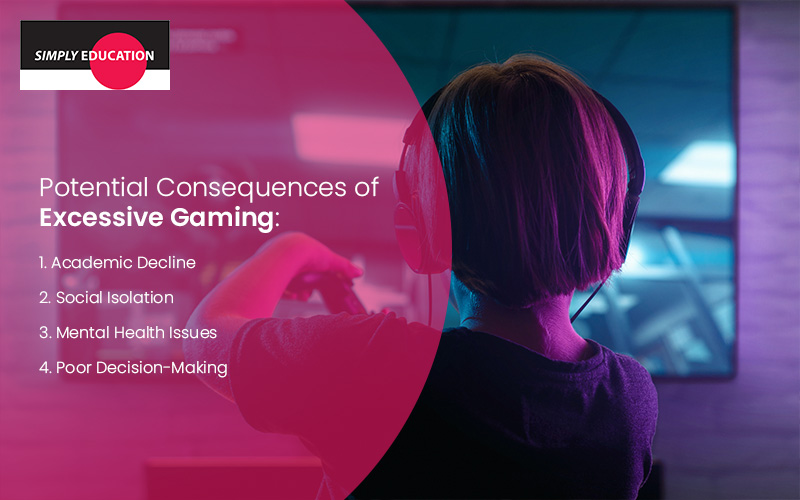
3. Potential Consequences of Excessive Gaming
While gaming seems to be fun and enriching, overindulgence potentially causes numerous negative consequences that affect a child’s development and well-being.
-
Academic Decline
One of the most immediate consequences of gaming addiction is a decline in academic performance. As gaming takes up more time, children may neglect their schoolwork, miss deadlines, and lose interest in their studies. This lack of focus and motivation can lead to falling grades, poor school participation, and a general disinterest in academic pursuits.
-
Social Isolation
Despite the social interactions provided by online gaming, gaming addiction can result in social isolation. Children who spend too much time in virtual environments may struggle to form real-life friendships and develop essential social skills. The over-reliance on digital communication then hinders their ability to engage in face-to-face interactions and affects their emotional development.
-
Mental Health Issues
Increased gaming has been linked to a range of mental health issues, including anxiety and depression. Children who spend excessive time gaming may experience feelings of loneliness or frustration when they are unable to access their favourite games, exacerbating existing emotional issues. Moreover, the lack of balance in their lives can increase stress and diminish their ability to cope with negative emotions in a healthy way.
-
Poor Decision-Making
Prolonged gaming sessions may impair decision-making abilities. The impulsive behaviour associated with excessive gaming is likely to spill over into other areas of life, affecting a child’s academic and social decisions.
Insights from Studies
Several studies have provided valuable insights into the effects of excessive gaming on children and adolescents. Focusing on attention, academic performance, and mental health, these findings underscore the importance of balancing gaming with other life activities to ensure healthy development.
-
Study 1: Video Game Playing and Attention Problems
A study conducted in Singapore involving 3,034 children and adolescents over three years explored the relationship between video gaming and attention problems. The key findings suggest a clear correlation between increased gaming time and the emergence of attention difficulties, even after accounting for factors. These include earlier attention issues, age, sex, race, and socioeconomic status.
The study revealed that total gaming time is a consistent predictor of attention problems, with children who engage in excessive gaming showing more difficulty in focusing. Interestingly, the study also highlighted a bidirectional relationship: children with existing attention or impulsiveness issues were more likely to spend additional time gaming, while excessive gaming further exacerbated these problems. In addition, violent games were found to have a strong effect on attention and impulsivity, although overall gaming time remained the most reliable predictor of these issues.
-
Study 2: Screen Stacking and Academic Performance
A study on ‘screen stacking’—the practice of using multiple screens simultaneously—showed a significant negative impact on academic performance. Adolescents who engaged in screen stacking were found to have lower academic scores and weaker working memory. These individuals also exhibited reduced sustained attention and increased impulsivity. The findings suggest that the multitasking nature of screen stacking can divide attention and hinder the ability to focus on academic tasks, ultimately affecting school performance.
-
Study 3: Pathological Gaming in Singapore
A 2010 study by the National Institute of Education and the Media Development Authority shed light on the phenomenon of pathological gaming in Singapore. The research found that nearly 9% of Singapore’s youth were identified as pathological gamers, spending an average of 37.5 hours per week gaming—double the time spent by non-addicts. This high level of gaming time has raised concerns about the potential for addiction and its impact on other aspects of life, including academics, social development, and emotional well-being.
In comparison, Singaporean adolescents spend an average of 20 hours per week gaming, significantly higher than the 13 hours reported by their American peers. This data highlights the growing trend of gaming overindulgence among Singaporean youth, underscoring the need for intervention and balance.
-
Study 4: HealthHub Highlights the Risks of Gaming Addiction
A three-year study involving 2,500 students in Singapore, as reported by HealthHub, explored the broader risks associated with gaming addiction. One of the key insights from the study was the escapism factor—many students use video games as a means to cope with stress, anxiety, and other mental health issues. While gaming can provide a temporary escape, it often leads to negative long-term effects such as poor sleep and a decrease in academic performance.
The study also pointed to increased impulsivity and a reduced attention span as significant outcomes of gaming addiction. These behavioural changes create a cyclical pattern where the problems worsen over time. Social dynamics were also affected—while gaming can foster online relationships, it may also contribute to social isolation and hinder the development of face-to-face communication skills. To address these concerns, the study recommends various support strategies for those struggling with gaming addiction, including encouraging healthier gaming habits, promoting physical activities, and providing emotional support.
Assessing Your Child’s Gaming Habits
Understanding your child’s gaming habits is the key to maintaining a healthy balance between their gaming sessions and other important activities. By regularly tracking their gaming time and considering the social aspects of their gaming experiences, you can create a strategy that fosters positive habits while mitigating gaming addiction.
1. Keeping Track of Gaming Time
As a parent, you should keep track of the amount of time your child spends gaming each day and week. This can be done through simple time logs, either a notebook, a digital spreadsheet, or even an app designed to monitor screen time. By recording the start and end times for each gaming session, you can visualise how much time your child dedicates to gaming on a daily and weekly basis.
This log will give you an overview of their gaming habits, making it easier to identify patterns and trends. For example, when you notice that your child tends to play more on weekends or after school, you should set limits accordingly. Understanding peak gaming times is essential for tackling gaming addiction.
Otherwise, if you see that gaming is particularly frequent after school, you may set a rule for gaming only after homework is completed. This helps to prioritise your child’s academic responsibilities.
2. Evaluating the Types of Games Played
Not all video games are created equal. Some games provide educational value, while others may not offer any developmental benefits. It’s important to assess whether the games your child plays promote critical thinking, problem-solving, and creativity. Games that challenge players to think strategically or solve puzzles can enhance cognitive development. As a result, it complements your child’s learning outside of school.
To strike a balance, you should encourage your child to engage in both educational and recreational games. Educational games can be fun and engaging, simultaneously improving numeracy skills and offering other valuable lessons.
On the other hand, recreational games, though enjoyable, can help your child unwind. By maintaining a mix of both types, you can ensure that gaming remains an enjoyable yet constructive part of their routine. As such, your child can focus on their academic or personal growth even during gaming sessions.
3. Social Interaction versus Solitary Play
When evaluating your child’s gaming habits, consider the nature of the games they play—are they multiplayer games that foster social interaction, or do they lean more towards single-player experiences? Multiplayer games, especially those that allow your child to interact with friends or family, can encourage teamwork, communication, and collaboration. These social skills are vital for your child’s overall development, providing opportunities for positive interaction with peers.
However, excessive solitary play may have a different impact. While single-player games contribute to a more immersive experience, they may lead to social isolation if your child spends long periods playing alone. If you notice that your child tends to gravitate towards solo gaming, it might be worth encouraging activities that promote more social interaction.
Enhancing Focus and Reducing Gaming Distractions in School Students
Encouraging Focus and Concentration
Once you’ve assessed your child’s gaming habits, the next step is to help them build focus in a way that supports their academic success and personal growth. Below are some strategies to help foster a more focused and productive environment for your child.
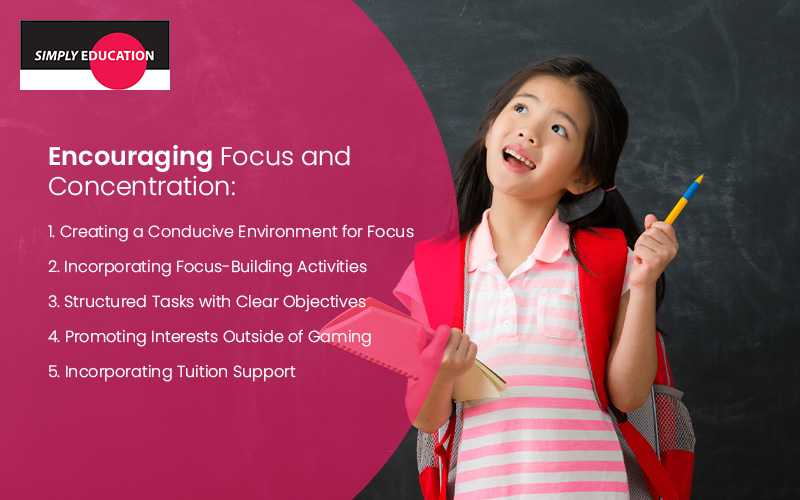
1. Creating a Conducive Environment for Focus
A key element in helping your child focus is providing an environment that promotes concentration. Start by designating a quiet study area that is free from distractions. Ideally, this space should be away from the living room or areas where gaming or television is happening. Having a dedicated space for studying helps signify that it’s time for your child to concentrate and complete their tasks.
Preparing an area is just the start. The next thing to do is to minimise distractions in the study zone. This includes keeping the area free from clutter, which can overwhelm your child and make it hard to concentrate. Ensure that all necessary supplies—such as textbooks, stationery, and a comfortable chair—are easily accessible, so your child doesn’t get sidetracked by having to search for materials.
If noise is a concern, consider using noise-cancelling headphones or playing soft, calming background music. This can block out distracting sounds and create an atmosphere more conducive to studying.
2. Incorporating Focus-Building Activities
In addition to a suitable study environment, it’s helpful to introduce focus-building activities that improve your child’s ability to concentrate. Practices like mindfulness and meditation have been shown to reduce stress and increase focus. Encourage your child to take a few minutes before studying to engage in deep breathing exercises or guided meditation. These mindful techniques help them develop self-awareness and calm their minds, potentially enhancing their focus when it’s time to study or do homework.

3. Structured Tasks with Clear Objectives
One effective way to help your child maintain focus is by breaking tasks into manageable steps. A large task, such as a homework assignment or a project, can often feel daunting, leading to procrastination. However, when tasks are divided into smaller, more achievable segments with clear objectives, it becomes easier for your child to stay focused and feel a sense of accomplishment.
For example, rather than saying “Finish your homework,” break it down into specific actions like “Complete the math problems on page 45,” followed by “Read the first three pages of your history textbook.” This approach not only helps with focus but also motivates your child to track their progress, providing a sense of achievement as they complete each step.

4. Promoting Interests Outside of Gaming
Encouraging your child to explore interests outside of gaming is another strategy for promoting focus. Hobbies such as sports, arts, or music can help channel your child’s energy into activities that develop focus, discipline, and creativity.
Sports, for example, not only improve physical health but also encourage teamwork, perseverance, and goal setting—skills that can carry over into schoolwork and everyday life. Engaging in artistic activities like drawing, painting, or playing an instrument fosters concentration and patience, on top of giving your child an outlet for self-expression. By helping your child discover and pursue activities that they enjoy, they can steer away from gaming addiction.
5. Incorporating Tuition Support
Sometimes, despite your best efforts to support your child at home, they may need additional academic help. If you notice that your child is struggling to stay focused on their schoolwork or showing signs of gaming addiction, finding tuition support is highly recommended. Look for a reputable tuition centre near you that aligns with your child’s academic needs and learning style.
A good tutor provides personalised attention, helping your child reinforce concepts learned in school and boost their focus during study sessions. Whether they need help with specific subjects or general study skills, tuition can provide structured support that makes it easier for your child to stay on track academically.
Engaging with Your Child
Building a strong connection with your child is essential in guiding them towards a balanced approach to gaming and life. Engaging in meaningful dialogue, collaborating on goals, and acknowledging their efforts can create a supportive environment that fosters growth and accountability.
1. Open Communication About Gaming
Instead of responding with strong resistance to your child’s gaming addiction, start by having open and honest discussions with your child about their gaming habits. Explain how these affect their ability to focus on daily responsibilities. Besides, you should also encourage them to reflect on their gaming patterns.
Take the time to listen to your child’s perspective on gaming. Understanding what causes their gaming addiction, whether it’s the thrill of competition, social interaction, or escapism. This two-way communication creates a foundation for constructive conversations about healthier gaming habits.
2. Collaborating on Setting Goals
Work with your child to set clear and achievable goals, both academic and personal. These may include improving grades in a specific subject, dedicating time to a hobby, or participating in family activities. When your child feels involved in setting these goals, they are more likely to take ownership of their progress.

Ensure the goals are realistic and measurable, breaking them into smaller milestones that can be celebrated along the way. By aligning these objectives with their interests and aspirations, you can motivate your child to strike a balance between play time and daily responsibilities.
3. Rewarding Progress and Achievements
Celebrate every step forward, no matter how small. Positive reinforcement, such as verbal praise or small rewards, can significantly motivate your child to stay on track with their goals. If your child successfully reduces gaming hours or achieves an academic milestone, acknowledge their effort with a treat or a family outing. These moments of celebration not only reinforce positive behaviour but also strengthen your bond with your child. Complemented by parental Involvement, these efforts form a holistic approach to nurturing focus, responsibility, and overall well-being of your child.
Frequently Asked Questions
1. What should I do if my child is resistant to limiting their gaming time?
Coping with gaming addiction can be tricky. However, you can start by discussing setting gaming limits. Explain the importance of balance and encourage them to participate in creating a gaming schedule. Offer incentives or rewards for adhering to the agreed-upon limits.
2. How can tuition support help my child balance gaming and academic performance?
A suitable tuition centre in Singapore can provide personalised learning that reinforces focus and discipline. Tutors can help set clear academic goals, making it easier for children to stay motivated and engaged in their studies.
3. How can I find the right balance between encouraging gaming and academic success?
Focus on establishing a structured routine that includes time for gaming, homework, and other activities. Tackle your child’s gaming addiction by encouraging your child to set personal and academic goals for ongoing motivation.
Conclusion
Balancing gaming and focus is crucial for your child’s overall development and well-being. While gaming can be an enjoyable and even beneficial activity in moderation, excessive time spent in virtual worlds can compromise academic performance, social interactions, and personal growth.
In this context, taking proactive steps to address gaming addiction is key. Encouraging focus and incorporating the support of professional tuition can promote your child’s ability to manage their gaming time effectively. Tuition not only helps to bridge academic gaps but also instils discipline and a strong sense of responsibility.
At Simply Education, we understand the challenges that parents face in guiding their children. As a leading JC, IP, and PSLE tuition centre in Singapore, we are dedicated to nurturing a love for learning and equipping students with the skills they need to excel.
Feel free to schedule a trial lesson at any of our convenient locations. Whether you are looking to enrol your child in our math tuition in Tampines or Hougang, our experienced tutors are here to help your child achieve long-term success and well-being.
Contact us today to take the first step towards a brighter future.